Health and Safety Policy for Landscaping Chigwell
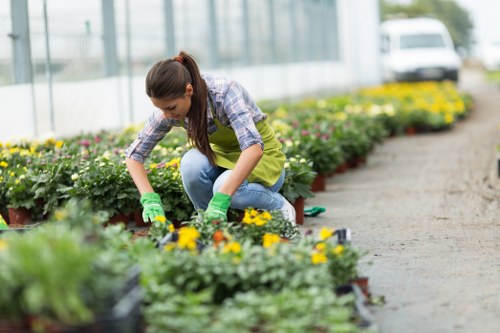 Health and safety is a core part of every landscaping project in Chigwell, from small garden improvements to larger grounds maintenance work. This policy sets out the standards expected to protect staff, clients, visitors, and the public while ensuring outdoor work is carried out responsibly. Safe working practices are essential because landscaping often involves tools, machinery, lifting, digging, working at height, and exposure to changing weather conditions. Our aim is to create a working environment where risks are identified early and managed effectively.
All landscaping activity should begin with a clear assessment of the site and the tasks involved. Before any work starts, hazards such as uneven ground, overhead obstacles, hidden services, water features, traffic movement, slippery surfaces, and manual handling demands must be considered. Team members are expected to remain alert, follow instructions, and report anything that could affect safety. A strong safety culture depends on communication, planning, and consistent attention to detail.
 The principles of landscaping safety apply to every stage of the job. Whether carrying out hedge trimming, turf installation, planting, paving, or clearance work, operatives must use equipment correctly and maintain good housekeeping throughout the site. Tools should be checked before use, damaged items must be removed from service, and access routes should be kept clear of trip hazards. Good organisation reduces avoidable incidents and helps work progress efficiently.
Risk management begins with suitable training and supervision. Only competent persons should operate powered machinery, use cutting tools, mix materials, or carry out tasks that require specific knowledge. Where needed, supervision should be increased for new starters or less experienced workers. It is important that everyone understands the correct procedures for starting, stopping, cleaning, transporting, and storing equipment. Competence and vigilance are essential elements of a reliable safety policy.
Personal protective equipment plays an important role in reducing injury. Depending on the task, this may include gloves, safety footwear, eye protection, hearing protection, high-visibility clothing, or weather-appropriate clothing. PPE must be worn when required and kept in good condition. However, PPE is only one part of the protection system; it should support, not replace, proper planning, safe methods of work, and correct use of machinery. A balanced approach is always best.
 Manual handling is another key consideration in landscaping operations. Many tasks involve bags of soil, paving slabs, logs, plants, or containers that can place strain on the back, shoulders, and limbs. Loads should be assessed before lifting, team lifting used where appropriate, and mechanical aids introduced where practical. Workers should avoid twisting while carrying loads and take breaks when repetitive tasks create fatigue. Safe lifting habits reduce the likelihood of musculoskeletal injury.
Machinery and hand tools must be used with care at all times. Equipment such as mowers, strimmers, hedge cutters, compactors, and saws should be maintained according to the manufacturer’s instructions and inspected regularly. Guards, switches, blades, and fuel systems should be checked before use. Refuelling must be carried out safely, away from ignition sources, and machinery should be isolated before cleaning or maintenance. Safe equipment use protects both operators and anyone nearby.
Working outdoors means exposure to environmental conditions that can change quickly. Hot weather can lead to dehydration, sun exposure, and fatigue, while cold, wet, or windy conditions can increase slips, discomfort, and reduced concentration. The workday should be planned with weather in mind, including suitable breaks, hydration, and the possibility of stopping tasks if conditions become unsafe. Staff should also remain aware of wildlife, plants that may irritate skin, and seasonal hazards such as ice or fallen branches.
Site security and public protection are equally important. Barriers, signage, and controlled access should be used where work could affect pedestrians, residents, or vehicles. Materials, tools, and waste should be stored safely to prevent unauthorised use or accidental injury. When working near roads, driveways, or shared access points, extra care must be taken to guide movement safely and avoid obstructing visibility. Good site discipline supports both safety and professionalism.
 Emergency readiness is part of responsible landscaping practice. First aid provisions should be available, and workers should know how to respond to cuts, strains, falls, electric shock, fire, or equipment-related incidents. Emergency procedures should be simple, practical, and reviewed regularly so that everyone understands what to do if an accident occurs. Prompt reporting of near misses and injuries helps identify patterns and improve future prevention measures. A quick response can make a significant difference.
Environmental care also supports safer working conditions. Waste should be separated and removed in an orderly way, chemicals must be stored and used correctly, and fuel or oil spills should be contained immediately. Where pesticides or other treatments are used, controls must be in place to protect workers, pets, wildlife, and surrounding property. Responsible landscaping combines safety, quality, and respect for the environment, ensuring that projects are completed with minimal risk and disturbance.
We expect all personnel involved in landscaping to follow this policy, raise concerns without delay, and cooperate with safety checks and improvements. Managers and supervisors must lead by example, monitor compliance, and make sure that safe standards are maintained from planning through completion. The success of any landscaping project depends not only on skill and finish, but on the consistent protection of people, property, and the working environment.
 This policy will be reviewed regularly to ensure it remains effective, practical, and aligned with current working practices. As tasks, equipment, and site conditions change, safety measures must evolve too. By treating health and safety as a shared responsibility, landscaping teams can work confidently, reduce disruption, and deliver reliable results. Safe landscaping standards are not just a requirement; they are a commitment to doing the job properly every time.